
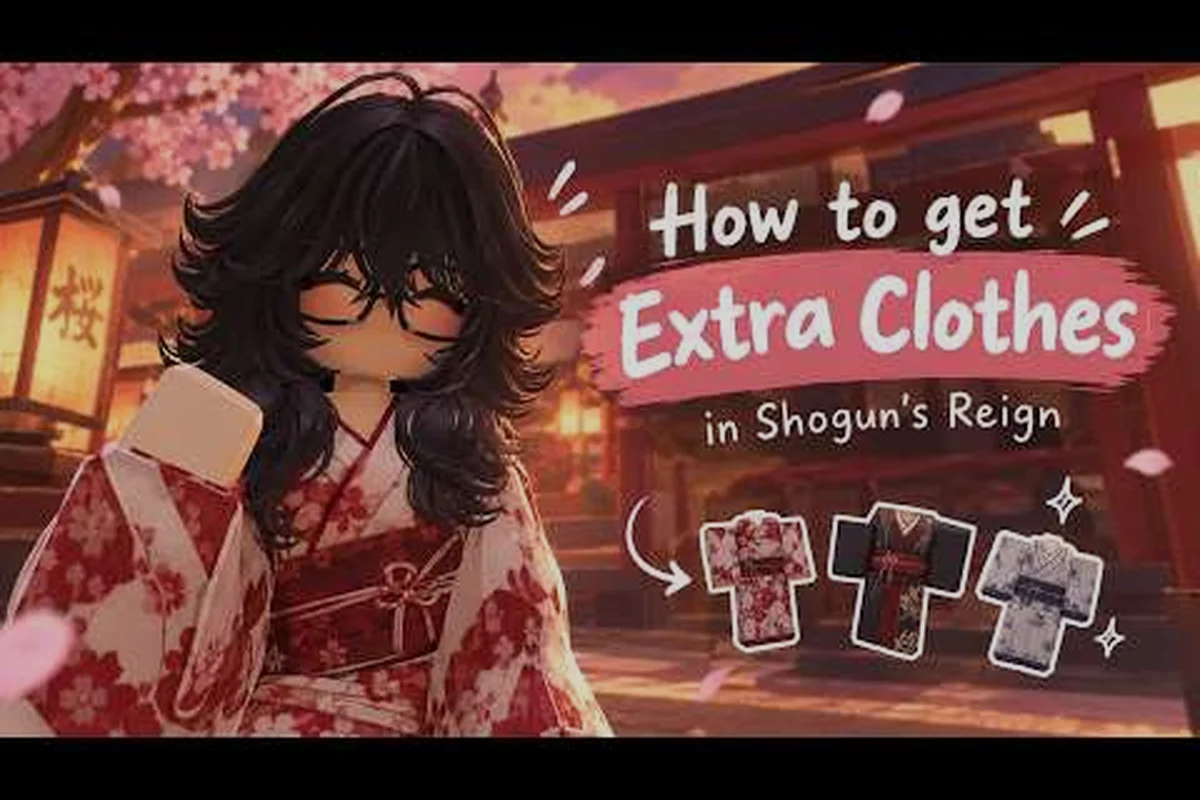
Your hair in Shogun's Reign is more than cosmetic flair — it frames your avatar across every screenshot, every duel pose, and every seasonal event. Choosing the right style shapes how other players read your character at a glance, and the right color can complement armor palettes that took hours of grinding to assemble. Whether you favor a strict chonmage topknot or a windswept ronin mane, the customization system rewards players who explore every menu, every vendor, and every limited-time event reward.
This appearance guide walks through every hair option currently documented in Shogun's Reign, from the default cuts you start with to the rarest seasonal styles hidden behind quest chains. You'll see which colors are permanent, which rotate with the in-game calendar, and which hairstyles are gated behind faction reputation. Let's map the full customization landscape so you can build an Edo-period look that stands out in screenshots and server gatherings.
Hair Styles Available in Shogun's Reign
Shogun's Reign ships with a layered appearance system that separates cut, color, and accessories into independent slots. That means you can pair a topknot cut with loose side strands, or mix a ronin mane with ceremonial hair sticks, without being locked into a preset bundle. According to community data, the game currently offers 24 distinct hair styles, divided across three cultural archetypes that reflect different social classes of feudal Japan.
The three archetype families are Samurai, Civilian, and Ronin. Each family shares visual DNA — samurai styles tend to be tightly bound and structured, civilian styles favor softer silhouettes, and ronin styles embrace asymmetry and length. Within each family, you can pick cuts ranging from shoulder-length to cropped close to the skull, and most cuts are gender-neutral, meaning a single style can be applied to either body type.
| Archetype | Style Count | Typical Cut Length | Accessory Slots |
|---|---|---|---|
| Samurai | 9 | Short to medium | 2 (pins, ties) |
| Civilian | 8 | Medium to long | 3 (pins, combs, ribbons) |
| Ronin | 7 | Medium to very long | 1 (loose tie) |
The samurai family is the largest because it aligns with the game's primary combat progression, but the ronin family offers the most visual variety per cut. Players who main civilian styles often report that the extra accessory slot lets them layer ribbons or combs for a more expressive look during festivals, which matters if you spend a lot of time in the Shogun's Reign overview and basics for roleplay-heavy districts.
Samurai Archetype Cuts
Samurai cuts prioritize discipline and rank. The default chonmage is what most players start with — a shaved pate with the top hair pulled into a tight knot. From there, you can unlock variations like the half-topknot (looser knot, no shave), the war braid (single long braid down the back), and the ceremonial bound (elaborate double knot reserved for high-rank retainers). Each variant changes how your headgear sits, which matters because some helmets clip awkwardly with longer styles.
Community testing suggests the war braid is the most popular samurai cut for PvP, because it stays symmetrical during sprint animations and doesn't obscure the back of your collar. The ceremonial bound, by contrast, is favored by players who focus on screenshot composition — the double knot catches light well against castle backdrops.
Civilian Archetype Cuts
Civilian cuts lean toward merchant and artisan classes, with softer textures and more flow. Options include the loose shoulder cut, the center-parted fall, the tied half-back, and the low ponytail. These styles work well for players who run trade or crafting builds, because the silhouettes pair naturally with kimono outerwear rather than armor plating.
One nuance worth knowing: civilian cuts have higher physics interaction than samurai cuts. Wind effects in mountain biomes will animate loose strands more visibly, and rain shaders bead differently on softer textures. If you care about how your character reads in cinematic screenshots, civilian styles give you more raw material to work with.
Ronin Archetype Cuts
Ronin cuts embrace the wandering master aesthetic. The family includes the windswept long, the asymmetric sweep, the loose topknot, and the wild mane. These are the most expressive options in the game, and they tend to look the most distinctive in screenshots, but they also clip through the widest variety of shoulder armor. Players who main ronin styles often prioritize light or no headgear to avoid the clipping issues.
The wild mane in particular is a status symbol — it requires a long unlock chain involving a hidden NPC in the northern map region. According to community reports, fewer than 5% of active players have unlocked it, which makes it one of the rarer visual identities in the current version.
Hair Color Palette and Unlocks
Hair color in Shogun's Reign is a separate slot from cut, which means you can mix any color with any style once both are unlocked. The palette divides into natural, dyed, and rare tiers, with each tier gating behind different progression systems. Natural colors are available from the start, dyed colors unlock through merchant vendors, and rare colors come from seasonal events or hidden quest chains.
| Color Tier | Color Count | Unlock Method | Resets on Season? |
|---|---|---|---|
| Natural | 6 | Default | No |
| Dyed | 8 | Vendor / craft | No |
| Rare | 5 | Seasonal / quest | Yes (event-locked) |
The natural tier includes the historically accurate palette you'd expect: sumi black, dark brown, medium brown, auburn, ash gray, and white. These are the colors most players wear during early progression, partly because they require no unlock effort and partly because they pair well with the default armor sets you start with.
Dyed Colors
Dyed colors are the workhorses of mid-game fashion. They include indigo blue, persimmon orange, matcha green, sakura pink, plum purple, vermillion red, gold leaf, and charcoal black. Each dyed color costs a specific crafting reagent plus a vendor fee, and the recipes rotate through different merchant NPCs depending on your current chapter. Community data suggests the persimmon orange and indigo blue dyes are the most commonly crafted, because they complement the widest range of armor palettes.
One mechanic worth knowing: dyed colors are account-wide once unlocked, but the recipes themselves are per-character. If you unlock the persimmon orange recipe on your main and create an alt, the alt will need to purchase the recipe again unless you bind it through the shared vanity chest. This is a common point of confusion for new players.
Rare Colors
Rare colors are the prestige tier, and they rotate with seasonal content. Current rare colors include moonlit silver, crimson flame, storm cloud, lotus white, and shadow black. Each rare color is tied to a specific event window — if you miss the event, the color becomes unavailable until it cycles back, which can take six to twelve months based on the current event calendar.
The moonlit silver color is currently the most sought-after because it pairs strikingly with the wild mane ronin style, creating an almost ghostly silhouette that photographs well. According to community reports, moonlit silver is expected to return in the next seasonal event window, but no official date has been confirmed.
Unlocking Methods: How to Get New Hair
Unlocking new Shogun's Reign hairstyles follows three primary paths: progression-based, vendor-based, and event-based. Each path has its own pace and its own grind curve, and most players will mix all three to build a complete collection. The game's customization system is generous compared to many peers — there's no pay-to-win hair shop, and the only currency that matters for vanity is in-game coin or event tokens.
Progression-based unlocks tie hairstyles to story milestones. The default chonmage is available from character creation, and most samurai family styles unlock as you advance through the main quest chapters. The war braid, for example, unlocks at the end of Chapter 3, while the ceremonial bound requires completing the optional retainer path in Chapter 5.
| Unlock Path | Typical Time | Cost | Style Count |
|---|---|---|---|
| Progression | 8-12 hours | Free | 11 |
| Vendor | 1-2 hours per style | 500-2000 coin | 8 |
| Event | Event window only | Event tokens | 5 |
Vendor-based unlocks are the most predictable. Once you reach the appropriate chapter, the relevant merchant NPC will stock additional styles for direct purchase. Prices range from 500 coin for simpler civilian cuts to 2000 coin for elaborate ronin styles. Community testing suggests the ronin asymmetric sweep is the most expensive vendor option, partly because of its visual complexity and partly because of its popularity in screenshot communities.
Event-Limited Unlocks
Event-based unlocks are the rarest and most time-sensitive. The current seasonal calendar includes two major events per year that drop hair-themed rewards, plus a smaller festival window that includes one hair color. The moonlit silver color and the lantern festival bob cut are the most recent examples, both locked to the autumn event window.
Players who miss the event window can sometimes obtain the styles through player-to-player trading, but only if the original owner unlocked them during the active period. The trading system uses a binding token that flags the item as transferable, and once that token is consumed, the style becomes available on the recipient's account permanently. This makes event styles a secondary currency in the player economy, especially among fashion-focused guilds.
Hidden Quest Chains
A handful of styles are gated behind hidden quest chains that don't appear in the main journal. The wild mane ronin style, for example, requires finding a hermit NPC in the northern mountain region, completing a five-step dialogue chain, and defeating a specific mini-boss without taking damage. Community guides have mapped the chain, but the steps are intentionally obscure — the game rewards exploration over following walkthroughs.
Similarly, the ceremonial bound samurai style has an optional unlock path through the retainer's side story, which becomes available after you reach Chapter 4 and align with the appropriate faction. Players who skip the side story will still unlock the style through main progression, but at a later chapter and with less narrative context for why the style exists in the world.
Building a Cohesive Look: Style + Color Pairings
Once you've unlocked a solid base of styles and colors, the next step is pairing them for visual cohesion. Shogun's Reign's appearance system rewards players who think about silhouette, color temperature, and accessory layering together rather than picking pieces in isolation. A strong look usually balances one bold element against two restrained ones — for example, a rare color paired with a common cut and minimal accessories.
| Vibe | Recommended Cut | Recommended Color | Accessory Load |
|---|---|---|---|
| Disciplined samurai | Chonmage | Sumi black | Single pin |
| Wandering ronin | Wild mane | Moonlit silver | None |
| Festival civilian | Loose shoulder | Sakura pink | Ribbon + comb |
| Retainer formal | Ceremonial bound | Charcoal black | Double pins |
The disciplined samurai combo is the most accessible because it uses default unlock options. The chonmage + sumi black silhouette reads as authoritative in any setting, and a single hair pin adds detail without clutter. This is the look most players will wear during their first 20 hours of progression, and it holds up well in group screenshots.
The wandering ronin combo is the prestige option. Wild mane + moonlit silver requires both the rare style and the rare color, which means you need to complete the hidden quest chain and attend the seasonal event. Players who pull this off tend to stand out in any crowd, but the silhouette is also the hardest to maintain because it clips with most shoulder armor. If you want to keep the look clean, consider light or no upper-body gear, which pairs naturally with the ronin's wandering aesthetic anyway.
The festival civilian combo is for players who focus on seasonal content. The loose shoulder cut + sakura pink color reads as soft and approachable, and the extra accessory slot lets you layer a ribbon and a comb for festival events. This look photographs especially well in cherry blossom regions during the spring window.
The retainer formal combo is for endgame players. The ceremonial bound cut + charcoal black color is the most structured silhouette in the game, and double pins add ceremonial weight. This is the look you'll see on the most decorated guild leaders, and it pairs naturally with the highest-tier armor sets that unlock in the late chapters.
Frequently Asked Questions
Can I change my hair after character creation?
Yes. You can visit any barber NPC in major towns to change your cut and color at any time, with no cost beyond a small service fee. This means you're never locked into a choice from the character creator, and you can experiment freely as new styles unlock.
Do rare colors come back every year?
According to community data, rare colors cycle back on a 6-12 month rotation tied to seasonal events, but the exact timing is not officially confirmed. The safest approach is to unlock them when they're available rather than waiting for a future window.
Are hairstyles gender-locked?
No. Every hair style in Shogun's Reign is gender-neutral, and the same cut can be applied to either body type. The game uses a unified style library rather than separate male and female lists, which makes collection progress much simpler for players who run multiple characters.
Can I trade event hairstyles with other players?
Yes, but only if the original owner unlocks them during the active event window and applies a transfer token before trading. Once the token is consumed, the style becomes permanent on the recipient's account, and the original owner loses access. This makes event styles a real currency in the player economy.
What's the rarest hair option in the current version?
The wild mane ronin style paired with the moonlit silver rare color is currently the rarest combination, because both pieces require long unlock chains and event attendance. Community estimates suggest fewer than 3% of active players have completed both, which makes the combo a genuine status symbol in fashion-focused circles.