
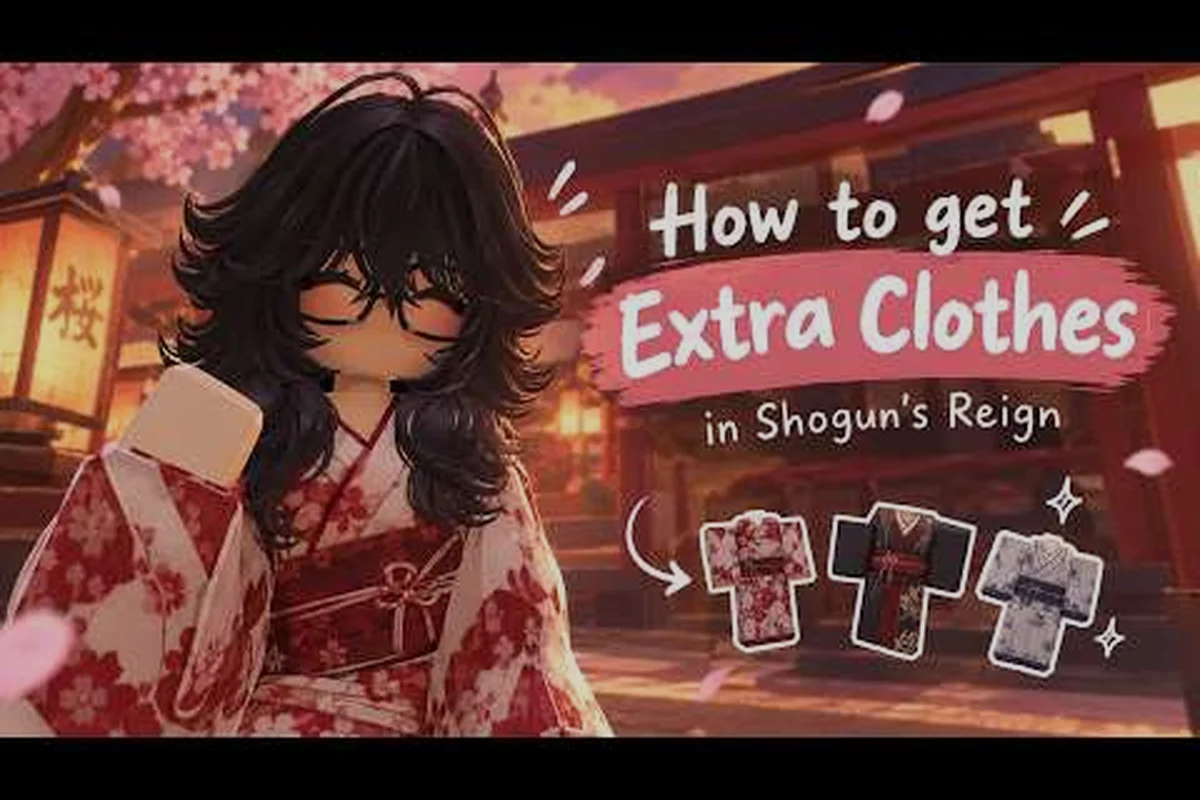
Japanese outfits in Shogun's Reign are among the most detail-rich cosmetic sets in the entire game, weaving historical silhouettes from the Sengoku and Edo periods directly into your character's wardrobe. Every Shogun's Reign kimono set, every lacquered samurai plate, and every merchant's yukata has been tailored with pattern-specific dye work, layered fabrics, and matching footwear so that wearing them in town actually changes how NPCs react to you. This Shogun's Reign Japanese outfits guide walks through every wearable piece, breaks down which Shogun's Reign kimono drops are worth chasing, and shows how the wider Shogun's Reign armor cosmetics system rewards players who mix formal wraps with battle-ready plates.
Core Categories of Shogun's Reign Japanese Outfits
The Japanese outfit library in Shogun's Reign is split into four core families, each anchored to a historical clothing tradition. Choosing the right family early makes the rest of your Shogun's Reign cosmetic guide progress much smoother, because dye schemes, footwear, and matching headgear are usually locked to a single family. A player who commits to one line will see cosmetic cohesion bonuses in late-game districts, while a player who mixes families often ends up with clashing color palettes.
| Family | Historical Era | Visual Focus | Common Drop Sources |
|---|---|---|---|
| Kimono Wraps | Heian / Edo | Layered silk, obi sashes, wide sleeves | Tailor shops, seasonal events, NPC gifts |
| Samurai Armor | Sengoku / Muromachi | Lacquered plates, cord lacing, kabuto helmets | Castle sieges, daimyo bounty boards, smithy orders |
| Yukata & Casual Wear | Edo summer | Cotton wrap, simpler obi, wooden geta | Fishing villages, hot-spring towns, summer festivals |
| Shrine & Priest Attire | Heian / Shinto | White kosode, hakama trousers, eboshi hats | Shrine quests, monk mentors, temple offerings |
Kimono Wraps (Formal Layered Wear)
Kimono wraps are the prestige cosmetic line in any Shogun's Reign kimono guide because they use real silk textures with seasonal floral patterns. The standard Casual Kimono is the entry-tier drop and uses a single muted color with a plain obi, making it the easiest mixed-and-match piece in the game. Above it sits the Festival Kimono, which adds embroidered sleeves, brighter dyes, and a more decorative obi knot that catches torchlight differently at night. The top-tier Daimyo's Robe is reserved for players who have finished the main clan storyline, and it layers a haori coat over the kimono base for a heavier silhouette.
A practical Shogun's Reign how to get kimono step sequence looks like this:
-
Reach Tailor Rank 2 to unlock the Casual Kimono pattern.
-
Complete the Cherry Blossom seasonal event for the Festival Kimono dye.
-
Finish the clan main quest chain to unlock the Daimyo's Robe blueprint.
-
Visit a master tailor NPC in Kyoto or Edo to have the pattern stitched.
The kimono family is also the only family where the character's gender slider does not change the silhouette. Both male and female characters wear the same shoulder and sleeve cut, which makes dye experimentation the only real way to differentiate two kimono outfits on the same character model.
Samurai Armor Sets (Battle-Ready Plates)
The samurai armor family is the most stat-flavored line in the Shogun's Reign armor cosmetics catalog, because each set carries a small passive bonus while worn. The Ashigaru Light Plate is the starter set, designed for fast movement and offered as a quest reward during the second act. The Hatamoto Cuirass sits in the middle of the family, with riveted chest plating, shoulder guards, and a half-mask face option that covers the lower jaw. At the top of the line is the Daimyo's Great Armor, a full kabuto-and-mengu set with chest cords, thigh guards, and war-paint face markings.
| Set | Tier | Passive Bonus | Unlock Path |
|---|---|---|---|
| Ashigaru Light Plate | Starter | +2% movement speed in towns | Act 2 quest reward |
| Hatamoto Cuirass | Mid | +5% sword damage | Castle siege clear reward |
| Daimyo's Great Armor | Prestige | +8% intimidation radius | Clan main quest finale |
| Spectral Warrior | Event | +3% critical chance | Obon festival clear |
Yukata & Casual Wear
Yukata sets are the unsung heroes of the Japanese outfit rotation because they are the only pieces wearable in hot-spring towns without triggering the "inappropriate attire" debuff. The Simple Yukata is a single-bleed cotton wrap with a thin obi, while the Merchant's Yukata adds an apron and a folding fan prop. The Traveling Pilgrim Yukata is the most asked-for piece in the Shogun's Reign cosmetic guide community, because it includes a sedge hat, walking staff, and small backpack for cross-region trekking. Yukata sets also pair cleanly with non-Japanese footwear if you want a more casual look, which is rare for most families in the game.
Shrine & Priest Attire
The shrine family is the smallest, but it carries the strongest reputation effect. Wearing any shrine piece around monks and shrine maidens boosts dialogue options and unlocks vendor discounts at sacred shops. The Novice Kosode is a white wrap with simple hakama pants and no headgear, while the Senior Priest Robe adds a tall eboshi hat, a string of beads, and a wooden staff. The Miko Attire is technically a shrine sub-set worn by shrine maidens and is one of the few cosmetics with a unique idle animation — your character will hold a small bell and gently sway while standing still.
How to Get Each Kimono and Armor Drop
Most Shogun's Reign how to get kimono questions boil down to understanding which NPC vendors carry which patterns and which events rotate which dyes. The game uses a soft pity system: every tenth tailoring order at a master tailor unlocks a rare pattern regardless of materials provided. For armor sets, the system is closer to a hard drop table — clearing a castle siege for the first time always rewards the Hatamoto Cuirass, but only if the siege is completed before the 30-minute timer expires.
| Outfit Piece | Drop Source | Time Gate | Material Cost |
|---|---|---|---|
| Casual Kimono | Master tailor | Always | 800 ryo + 4 cotton bolts |
| Festival Kimono | Seasonal event | Spring only | Free with event clear |
| Daimyo's Robe | Clan finale | One-time | Quest-locked |
| Ashigaru Light Plate | Act 2 quest | Story-locked | Free |
| Hatamoto Cuirass | Castle siege | One per siege | Free |
| Daimyo's Great Armor | Daimyo bounty | One per character | 20,000 ryo + 10 lacquer |
| Spectral Warrior | Obon festival | Annual | Free with clear |
| Simple Yukata | Hot-spring vendor | Always | 300 ryo |
| Merchant's Yukata | Merchant guild rep | Rank 3 unlock | 1,200 ryo |
| Miko Attire | Shrine maiden quest | One-time | Free |
Currency and Material Prep
Kimono and armor crafts all draw from the same base material pool, but the ratios differ. Kimono work leans on cotton bolts, silk thread, and plant-based dyes sourced from farming or merchant caravans. Armor work leans on lacquered plates, iron ingots, and leather straps sourced from blacksmiths, monster hunts, and castle storage raids. Players chasing both lines at once usually pool ryo into a community trading house; the Shogun's Reign ryo guide covers the fastest material-turnover routes for mid-game players.
Seasonal Rotation Logic
Seasonal events are the only place to grab limited-run Japanese outfits. The Cherry Blossom event in spring unlocks pink and white Festival Kimono dyes, while the Obon festival in late summer unlocks the Spectral Warrior armor with glowing blue cord lacing. Winter events add heavy woolen haori coats that layer over any kimono base, and the New Year event offers formal black-and-gold Daimyo's Robe upgrades with a stylized family crest pattern. Missing an event window means waiting a full year for the next rotation, so most players stockpile cotton and silk in the month before each festival.
Outfit Synergy and Visual Layering
A core piece of any Shogun's Reign cosmetic guide is understanding which families layer cleanly and which clash. The game uses a 4-layer rendering system: under-kimono, outer robe, armor plating, and headgear. Each family reserves at least one layer, which means a kimono wrap and a samurai cuirass can technically be worn together — but the visual result often looks jumbled because both pieces claim the chest slot. The cleanest combinations are family-internal, while the most striking mixed looks come from a small set of cross-family pairings the developers quietly allowed.
| Layer Slot | Kimono Family | Armor Family | Yukata Family | Shrine Family |
|---|---|---|---|---|
| Under-kimono | Reserved | Open | Reserved | Reserved |
| Outer robe | Reserved | Open | Reserved | Reserved |
| Armor plating | Open | Reserved | Open | Open |
| Headgear | Open | Reserved | Open | Reserved |
The Traveling Pilgrim Yukata is the most flexible piece in the entire game because it occupies the under-kimono and outer robe layers without locking the armor plating slot, so you can wear the Hatamoto Cuirass on top for a wandering-pilgrim-meets-soldier look. The Daimyo's Great Armor is the most restrictive set because it locks the under-kimono, outer robe, and headgear layers simultaneously, leaving only a small back-cape slot open for a clan banner attachment.
Players who want to fine-tune their look beyond the preset family rules can also invest in the Shogun's Reign customization system, which lets you recolor any unlocked pattern with a hex-dye tool once you have reached Tailor Rank 5. The hex-dye system is the single most flexible tool in the entire Shogun's Reign cosmetic guide ecosystem, because it lets you take a generic Casual Kimono and turn it into a near-replica of a high-end Daimyo's Robe for a fraction of the ryo cost — though the silhouette and obi knot will still match the lower-tier base.
Reputation, Class, and Outfit Synergy
Outfits in Shogun's Reign are not purely cosmetic; each major piece carries a hidden reputation vector that changes NPC behavior in towns, dojos, and shrines. Wearing a kimono wrap raises your "courtly" reputation, which improves vendor dialogue in castle districts and unlocks higher-tier tea-ceremony quests. Wearing samurai armor raises your "martial" reputation, which improves dialogue with weapon masters and gives a small intimidation radius around your character. Yukata and shrine attire work in the opposite direction, lowering combat tension in towns and opening more peaceful quest lines.
| Outfit Family | Reputation Vector | Best Paired Class | Notable NPC Effect |
|---|---|---|---|
| Kimono Wraps | Courtly +15 | Noble / Merchant | Tea-ceremony quests unlocked |
| Samurai Armor | Martial +20 | Samurai / Ashigaru | Intimidation radius active |
| Yukata & Casual | Neutral +5 | Any | Lowered combat aggression |
| Shrine & Priest | Spiritual +25 | Monk / Shrine Maiden | Vendor discount at sacred shops |
The martial reputation bonus stacks with the Daimyo's Great Armor prestige passive, which is why most players who follow the Shogun's Reign samurai path keep at least one full armor preset in their wardrobe at all times. Players who run merchant or noble classes instead often carry two presets — a formal kimono for castle districts and a yukata for hot-spring towns — so they can swap instantly through the wardrobe menu without paying any tailor fees.
Frequently Asked Questions
What is the easiest Shogun's Reign kimono to unlock first?
The Casual Kimono is the first piece every player can unlock, because it only requires Tailor Rank 2 and 800 ryo plus four cotton bolts. It drops from any master tailor NPC in Kyoto or Edo and uses a muted single-color dye by default, which makes it a good base for hex-dye recoloring later.
How do I get the Daimyo's Great Armor set?
The Daimyo's Great Armor is locked behind the clan main quest finale, so it is a one-time reward per character. After finishing the finale, visit the daimyo's quartermaster in your clan's main castle to claim the chest, gloves, leggings, kabuto, and mengu face guard as a single bundle.
Can Shogun's Reign armor cosmetics be mixed with kimono pieces?
Yes, but only on a few specific layer slots. The Traveling Pilgrim Yukata is the most flexible piece because it does not lock the armor plating slot, so a Hatamoto Cuirass can be layered on top. Most other combinations will look jumbled because both pieces claim the chest layer, so sticking to family-internal presets is usually the cleanest option.
Do Japanese outfits affect combat stats directly?
No, Japanese outfits are cosmetic-only and never alter base damage, defense, or health values. They do carry passive bonuses — like the Daimyo's Great Armor +8% intimidation radius — but these bonuses affect reputation, dialogue, and NPC behavior rather than raw combat numbers. Real combat scaling comes from the Shogun's Reign weapon path, which runs on a separate upgrade track.
Are seasonal Japanese outfit dyes missable?
Yes, every seasonal event in Shogun's Reign is a hard time gate. The Cherry Blossom event runs only in spring, the Obon festival only in late summer, and the New Year event only in early January. Missing the window locks the dye behind a one-year cooldown, so stocking cotton and silk in the month before each event is the safest way to secure the full dye set.