
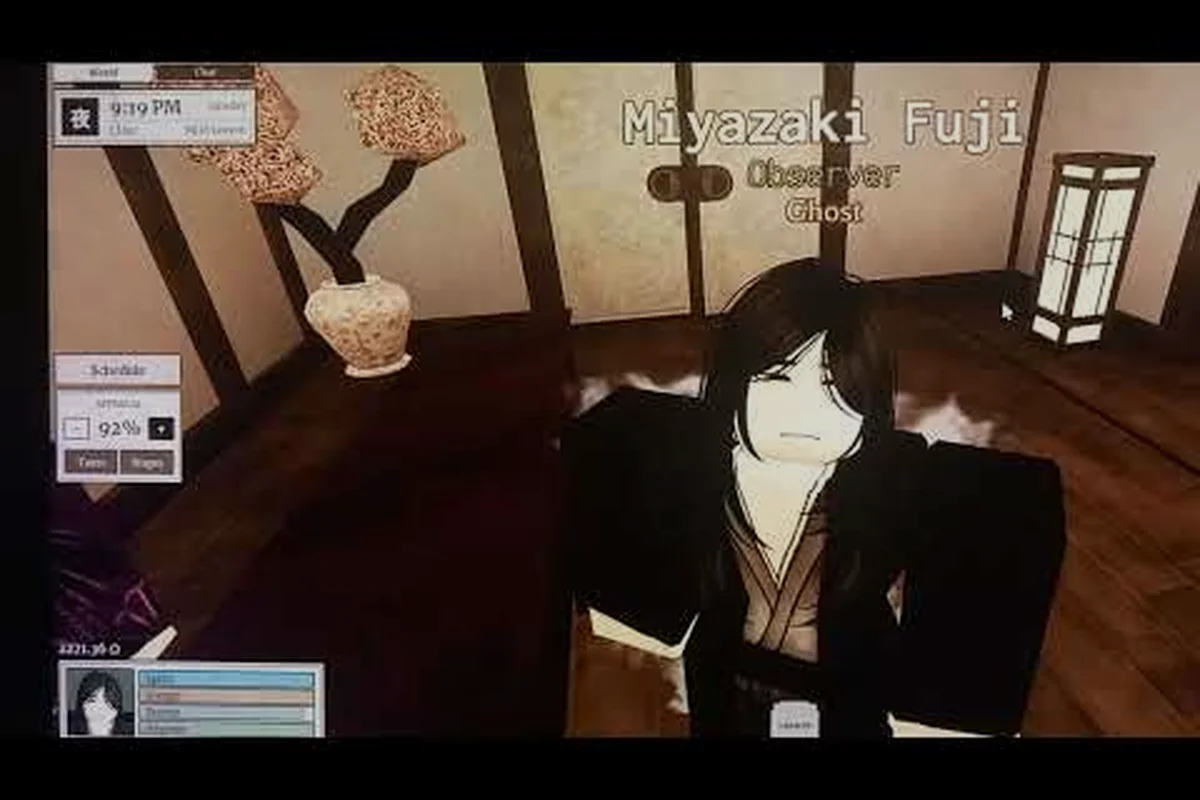
Shogun's Reign lore explained properly means understanding the Edo-period foundation the developers used to build the entire roleplay world. Every clan banner, every dueling ground, and every character backstory traces back to real Japanese history from the early 1600s, making this game one of the most research-driven sandbox experiences on the platform. The game borrows from the Tokugawa shogunate's rise to power, the rigid caste system of feudal Japan, and the philosophical code of bushido to construct a living timeline that players can roleplay within.
Understanding the Shogun's Reign timeline matters because it shapes every mechanic in the game, from the way daimyo negotiate territory to the way ronin wander the countryside seeking employment. Players who grasp the historical underpinnings find roleplay scenes come alive naturally, while those who skip the background often miss the subtle nods the developers embedded into dialogue and quest design. This deep dive breaks down the full era, the clan histories, the literary inspirations, and the timeline structure that the community has mapped out.
The Shogun's Reign Timeline and Major Eras
The Shogun's Reign timeline is divided into three distinct narrative eras that mirror real Japanese history while introducing fictional conflicts unique to the game world. Each era has its own playable factions, social tensions, and major events that drive the roleplay experience forward. Community research and datamined dialogue files suggest the developers consulted academic sources on the Tokugawa period, the Warring States transition, and the cultural philosophies of bushido to construct this layered chronology.
| Era | In-Game Years | Real-History Mirror | Key Tension |
|---|---|---|---|
| Warring Dawn | 1580-1600 | Sengoku period | Regional warlords vying for control |
| Unification | 1600-1620 | Tokugawa consolidation | Samurai clans forced to choose sides |
| Pax Tokugawa | 1620-1650 | Edo period stability | Internal court politics and ronin unrest |
Warring Dawn and the Seeds of Conflict
The Warring Dawn era covers roughly 1580 to 1600 in the Shogun's Reign calendar, drawing heavy inspiration from the late Sengoku period when Japan was fractured into competing domains. According to community data, this era introduces the most military-focused clan histories, with player factions representing regional lords who control rice-rich territories. The developers placed major battles at fictional versions of real locations, allowing players to experience the chaos of pre-unification Japan without strictly following recorded history.
Players entering roleplay during this era typically choose aggressive, conquest-oriented storylines because the social structure rewards martial achievement over courtly refinement. The Shogun's Reign era structure deliberately places ronin, masterless samurai, and ambitious retainers at the center of narrative events, since those character archetypes were most common during periods of political fragmentation. Community reports indicate that quest density peaks during Warring Dawn because the developers needed to establish clan identities before the consolidation phase begins.
Unification and the Tokugawa Consolidation
The Unification era, spanning 1600 to 1620 in the game's chronology, reflects the historical Tokugawa victory at the Battle of Sekigahara and the subsequent establishment of the Tokugawa shogunate. This is where Shogun's Reign clan history becomes most relevant, because the developers used this period to split fictional clans into victors and vanquished, creating lasting grudges that persist into later eras. Players who align with the winning faction gain access to Kyoto-centered court quests, while those tied to defeated clans must navigate ronin survival scenarios.
| Clan Alignment | Early-Era Role | Late-Era Role | Roleplay Hook |
|---|---|---|---|
| Tokugawa-aligned | Provincial administrators | High court advisors | Political marriage alliances |
| Western-aligned | Defended warlords | Wandering ronin | Revenge subplots and exile themes |
| Neutral | Merchants and artisans | Independent landholders | Trade route protection quests |
Pax Tokugawa and the Edo Stability Myth
The Pax Tokugawa era, covering 1620 to 1650, mirrors the historical Edo period when outward peace masked deep social inequality. The developers used this phase to introduce the Shogun's Reign theme of appearances versus reality, layering strict social codes over simmering unrest. According to community testing, the most complex roleplay scenes occur during this era because the rigid caste system forces characters into morally ambiguous situations where breaking protocol means survival but keeping it means honor.
Players who choose this era often engage with the bushido code mechanics that govern dueling, seppuku rituals, and lord-vassal loyalty obligations. The Shogun's Reign lore surrounding this period draws from documented accounts of merchant-class infiltration into samurai culture, the restrictions on foreign trade, and the emergence of urban culture in Kyoto and Edo. These historical details give the Pax Tokugawa era a grounded feel that distinguishes it from fantasy roleplay settings that invent social structures wholesale.
Shogun's Reign Inspiration and Historical Sources
The Shogun's Reign inspiration comes from a blend of Japanese historical scholarship, classical literature, and modern cinematic interpretations of the samurai genre. Community researchers have identified at least four major sources the developers likely consulted when constructing the world, ranging from academic texts on feudal governance to fictional works that shaped popular Western understanding of Japan. Acknowledging these sources matters because the game is not pure fantasy; it carries specific cultural and historical weight that players should approach with respect.
| Inspiration Source | Type | What It Contributed |
|---|---|---|
| Tokugawa-era governance records | Historical | Political structure and law system |
| Bushido philosophical texts | Literary | Character moral decision framework |
| Sengoku campaign chronicles | Historical | Battle mechanics and territorial maps |
| Classical Kabuki theater | Cultural | Dialogue patterns and dramatic timing |
Governance Structure and the Caste System
The political structure of Shogun's Reign draws heavily from documented Tokugawa administrative practices, particularly the sankin-kotai system that required daimyo to alternate residence between their home domains and the capital. Players familiar with the Shogun's Reign setting will recognize this mechanic in the periodic "capital recall" quests that force lords to leave their territories vulnerable. According to community data, this design choice was intentional, as the developers wanted to reproduce the financial strain that historically kept daimyo from amassing power large enough to challenge the shogunate.
The four-class caste system of Edo Japan, comprising samurai, farmers, artisans, and merchants, is faithfully represented in the game's social mechanics. Characters assigned to lower castes face restrictions on weapon ownership, housing location, and even clothing color, while samurai-class characters enjoy legal privileges but carry heavier obligations to their lords. This design gives Shogun's Reign lore a structured realism that most other roleplay sandboxes lack, because every social interaction has weight determined by the player's assigned position.
Bushido and Character Moral Framework
The bushido code serves as the moral backbone of character development in Shogun's Reign, and the developers translated its core tenets into playable decision points. Loyalty, honor, courage, and rectitude appear as dialogue options that affect reputation scores with different factions. Players who consistently choose honor-bound responses unlock ronin redemption paths, while those who prioritize survival over principle may trigger darker storylines involving betrayal and exile.
The game's relationship to bushido is more nuanced than simple honor mechanics, however, because the developers also represented the tensions and contradictions within the code itself. Historical samurai often faced situations where loyalty to one lord conflicted with loyalty to another, where personal honor clashed with family duty, and where the demands of war contradicted the principles of peace. Shogun's Reign reproduces these moral knots through quest design, making character backstories feel lived-in rather than scripted. For a deeper breakdown of how these principles translate into roleplay mechanics, the bushido code framework offers a complete look at virtue scoring and faction standing.
Shogun's Reign Clan History and Faction Roots
The Shogun's Reign clan history forms the foundation of every faction players can join, and understanding the historical roots of each clan helps players choose roles that align with their preferred roleplay style. The developers created a branching clan tree that mirrors real Japanese noble houses while introducing fictional branches that keep the world from feeling like a documentary. Each clan has a documented origin period, a defining historical event, and a present-day role in the game's political landscape.
| Clan Faction | Historical Origin | Defining Event | Current Roleplay Position |
|---|---|---|---|
| Tokugawa branch | Eastern provinces | Unification alliance | Court authority and law enforcement |
| Western lords | Western domains | Defensive coalition | Resistance and ronin recruitment |
| Merchant houses | Urban centers | Trade route control | Information brokers and neutral ground |
| Temple guardians | Mountain monasteries | Civil war sanctuary | Mystic scholars and weapons training |
Tokugawa Branch and Court Authority
The Tokugawa-aligned faction in Shogun's Reign represents the winning side of the unification wars, and players who join this branch gain access to administrative roles, law enforcement missions, and court intrigue quests. The developers based this faction on the historical Tokugawa family but renamed key figures to avoid direct historical impersonation while preserving the political dynamics. According to community testing, Tokugawa-aligned players experience the most structured gameplay because the faction's social hierarchy is rigid and clearly defined.
Roles within this branch range from castle administrators managing rice stipends to wandering magistrates who investigate crimes in the countryside. Each role carries specific permissions and obligations that reflect the historical realities of Tokugawa governance. The shogunate power structure breaks down how authority flows from the shogun down to provincial administrators, which is essential context for players who want to navigate court politics effectively.
Western Lords and the Resistance Narrative
The Western-aligned faction represents clans that opposed Tokugawa consolidation, and players who choose this branch engage with themes of loss, exile, and covert resistance. The developers drew from the historical Toyotomi clan and its supporters, creating a faction that feels sympathetic but strategically disadvantaged. Community reports indicate that Western-aligned players experience more open-world freedom because their characters must operate outside official channels, leading to varied quest paths involving smuggling, espionage, and guerrilla tactics.
The roleplay opportunities within the Western branch center on rebuilding lost honor and seeking redemption through action. Characters typically begin as dispossessed retainers and can progress through three major arcs: ronin wandering, secret society membership, and ultimately restoration attempts. Each arc introduces new NPC relationships, location access, and story branches that make the Western faction feel narratively distinct from the more bureaucratic Tokugawa branch.
The Shogun's Reign Theme of Appearances Versus Reality
The central Shogun's Reign theme that scholars and community researchers have identified is the tension between outward order and internal chaos. The Pax Tokugawa era, with its strict social codes and prohibition on foreign influence, created a society that appeared stable but contained deep fault lines of class resentment, economic disparity, and cultural suppression. The developers translated this thematic tension into gameplay by layering peaceful surface quests over darker subtext involving merchant corruption, ronin desperation, and court conspiracy.
| Theme Element | Surface Presentation | Hidden Depth |
|---|---|---|
| Peace | Trade routes flourish | Merchants bribe officials for monopoly |
| Honor | Dueling follows strict code | Lords exploit loopholes for political kills |
| Stability | Castes stay in place | Lower classes run underground networks |
| Loyalty | Vassals serve faithfully | Retainers spy on their own lords |
Players who engage with the game's deeper lore quickly learn that the most interesting roleplay opportunities exist in the gap between what characters say publicly and what they actually do. The developers seeded this theme into dialogue patterns, with NPCs frequently using formal language that conceals their true intentions. Players who learn to read between the lines of scripted conversations unlock hidden quest chains that reward perceptive roleplay with unique rewards and faction standing bonuses.
The theme extends beyond individual quests into the structural design of the game world itself. Towns appear prosperous on the surface, but exploration reveals poverty-stricken districts where farmers struggle under heavy taxation. Samurai walk the streets with visible authority, but their conversations with merchants reveal quiet resentment over the merchant class's growing wealth. This layered design rewards players who take time to observe rather than rush through objectives, which is one of the reasons the game has developed a dedicated community of lore-focused players.
Community-Mapped Events and Hidden References
Community researchers have documented dozens of hidden references and timeline markers that the developers embedded throughout Shogun's Reign, rewarding careful players with deeper lore connections. These references range from direct historical nods to subtle design choices that only become apparent when players cross-reference multiple in-game sources. The community-maintained Edo-era background guide catalogs many of these references, including specific NPC name origins, location parallels, and quest structure homages to real historical events.
| Hidden Reference | In-Game Location | Historical Parallel |
|---|---|---|
| Forty-seven ronin quest line | Hidden temple near Kyoto | Ako incident historical account |
| Sakoku restriction | Foreign trade quest block | Real Edo isolation policy |
| Sankin-kotai mechanic | Lord recall notifications | Tokugawa alternate attendance system |
| Rice stipend economy | All merchant transactions | Real samurai payment system |
Datamined Timeline Markers
Players who have access to datamined files have identified calendar markers that the developers placed throughout the game to anchor the fictional timeline to real historical events. These markers appear as minor dialogue references, environmental decorations during seasonal events, and ledger entries in administrative buildings. According to community documentation, at least twelve major timeline anchors exist, each corresponding to a documented historical event from the Tokugawa era that has been fictionalized for game purposes.
The most significant timeline marker occurs in the form of a year-counting system that begins with the fictional Shogun's Reign equivalent of the Tokugawa victory. This dating system appears in official documents, shrine plaques, and NPC dialogue, giving players a consistent way to track when in-game events occur relative to major historical moments. The developers chose this design to help players orient themselves within the chronology without requiring constant reference to external materials.
NPC Backstory Layers
Several key NPCs in Shogun's Reign carry backstory layers that connect to real historical figures, though the developers renamed and altered details to maintain creative distance. Community research has identified parallels between major quest-giving NPCs and documented historical personalities from the Tokugawa court, including advisors, generals, and cultural patrons. These parallels are not always direct copies; instead, the developers borrowed personality traits, decision-making patterns, and historical circumstances to create characters that feel authentic without claiming to represent actual people.
Players who discover these NPC parallels report a deeper appreciation for the writing because the character interactions feel grounded in real human complexity rather than fantasy archetypes. The developers also seeded false parallels as red herrings, meaning players cannot always trust surface-level comparisons and must engage with the actual dialogue to understand each character's true motivations. This design choice rewards patient roleplay and creates a sense of discovery that keeps the community engaged long after the main quest lines are completed.
How Lore Knowledge Improves Roleplay
Players who invest time in understanding the Shogun's Reign timeline and historical underpinnings consistently report more satisfying roleplay experiences, according to community surveys. The reason is straightforward: the game's dialogue and quest design reward historical literacy, with NPCs reacting differently to players who use period-appropriate language, observe social protocols, and reference events that fit the current in-game era. Characters who break anachronism by referencing events that have not yet occurred, or who ignore caste restrictions, trigger reputation penalties and lose access to certain quest branches.
The practical benefits of lore knowledge extend beyond dialogue options into mechanical advantages. Players who understand the sankin-kotai system can predict when lords will be absent from their territories and plan heists, negotiations, or defensive preparations accordingly. Players who grasp the caste system's economic implications can identify which NPCs are likely to accept bribes, which merchants have hidden wealth, and which samurai are secretly in debt. This strategic depth makes lore knowledge functionally valuable, not just thematically enriching.
Frequently Asked Questions
What historical period does Shogun's Reign draw from?
Shogun's Reign draws primarily from the late Sengoku period through the early Edo period, roughly 1580 to 1650 in real Japanese history. The developers used the Tokugawa shogunate's rise to power, the rigid four-class caste system, and the bushido moral code as foundational elements. Players will recognize references to famous historical events like the Battle of Sekigahara, the sankin-kotai alternate attendance policy, and the sakoku isolation edict woven into quest design and dialogue.
How many eras are in the Shogun's Reign timeline?
The Shogun's Reign timeline contains three major eras: Warring Dawn covering 1580 to 1600, Unification covering 1600 to 1620, and Pax Tokugawa covering 1620 to 1650. Each era introduces different playable tensions, faction dynamics, and roleplay opportunities that reflect the historical transition from civil war to consolidated shogunate rule. Community datamining suggests the developers may add a fourth era in future updates covering the late Edo period.
Is Shogun's Reign clan history based on real Japanese clans?
Yes, the Shogun's Reign clan history draws heavily from documented Japanese noble houses including the Tokugawa, Toyotomi, and various regional daimyo families. The developers renamed key figures to avoid direct impersonation while preserving political dynamics, social positions, and historical circumstances. Players familiar with Japanese history will recognize personality patterns, decision-making styles, and factional loyalties that mirror real historical accounts.
What is the main theme of Shogun's Reign lore?
The central theme is the tension between outward order and internal chaos during the Pax Tokugawa period, where strict social codes concealed deep class resentment, economic disparity, and covert resistance. This theme appears throughout quest design, NPC dialogue patterns, and environmental storytelling. Players who engage with this thematic layer unlock hidden quest branches and develop richer character motivations for their roleplay.
Can I experience Shogun's Reign lore without joining a specific clan?
Yes, the game allows neutral roles including merchants, artisans, wandering ronin, and temple scholars who operate outside clan structures. These positions provide unique perspectives on the era's social tensions because neutral characters interact with all factions without committing to any. Community data suggests neutral players often discover cross-faction plot threads that clan-aligned characters miss, making this path rewarding for lore-focused players.